
CHAIRS & FABRIC FURNITURE / LONDON
Upholstery Cleaning London
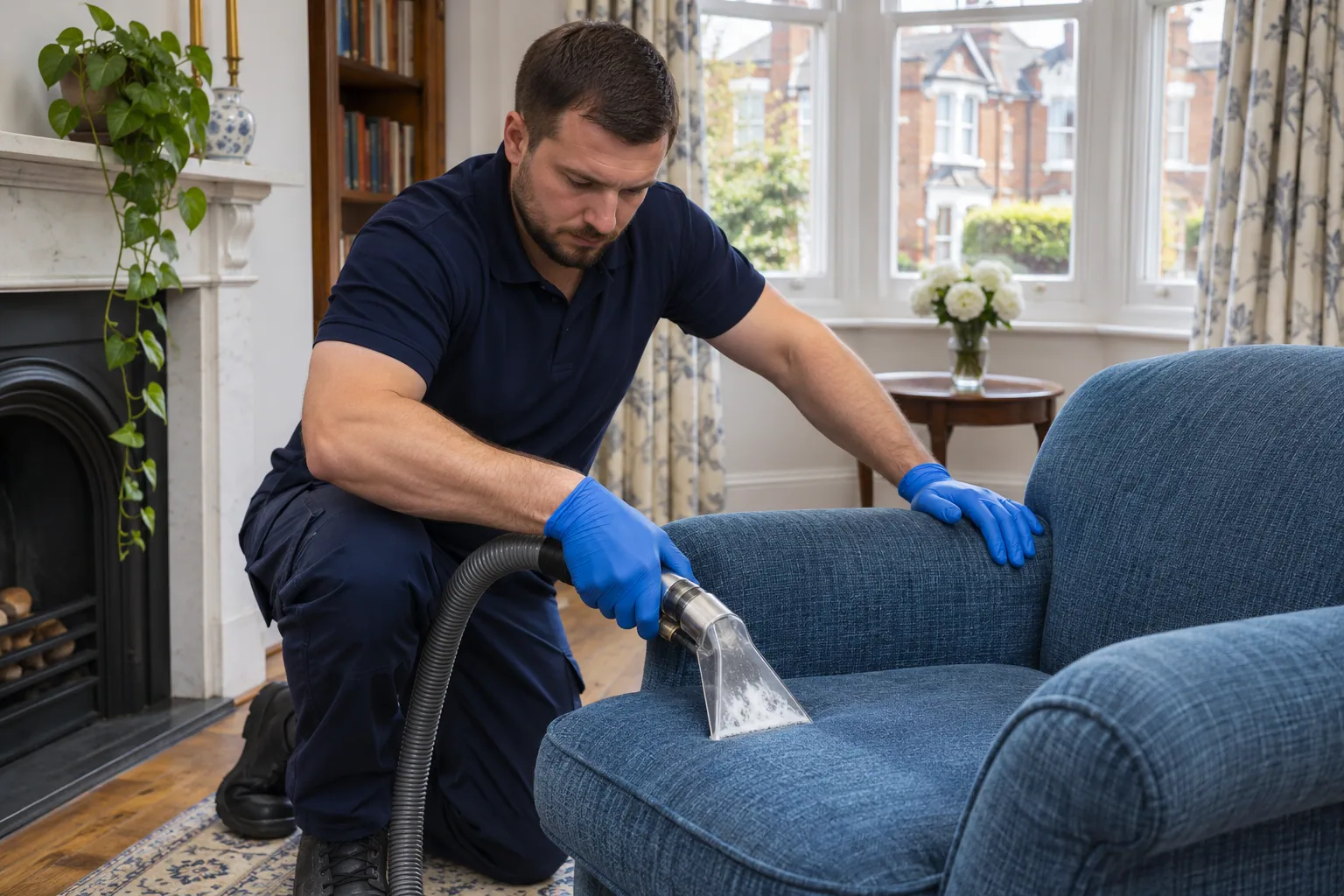
We clean upholstered chairs, footstools, benches and other agreed fabric furniture in London homes and business premises. Our team assesses each piece separately, so a dining set, occasional chair and reception bench receive treatment suited to their fabric and construction. Describe the furniture you want cleaned and we will discuss the appointment.
MIXED FURNITURE COLLECTIONS
Can you clean a mixed collection of upholstered furniture?
Yes. We can discuss several upholstered pieces at one London property, including dining chairs, armchairs, stools and benches. Tell us the quantity, fabric where known and which surfaces need attention. We assess the pieces individually rather than assuming that one cleaning method suits the whole collection.
BUSINESS RECEPTION SEATING
Is upholstery cleaning suitable for a business reception area?
We provide upholstery cleaning for domestic and commercial customers. For reception chairs or fabric benches, tell us how many pieces are involved and when the seating can be taken out of use. We discuss access, the material and any drying requirements before confirming the work and appointment arrangements.
- Individual assessment of mixed upholstered pieces
- Fabric care information checked before treatment
- Attention to seats, backs, arms and accessible seams
- Suitable wet or dry cleaning chosen for each material
- Furniture counts and usable areas confirmed before booking
One appointment for the fabric furniture around your property
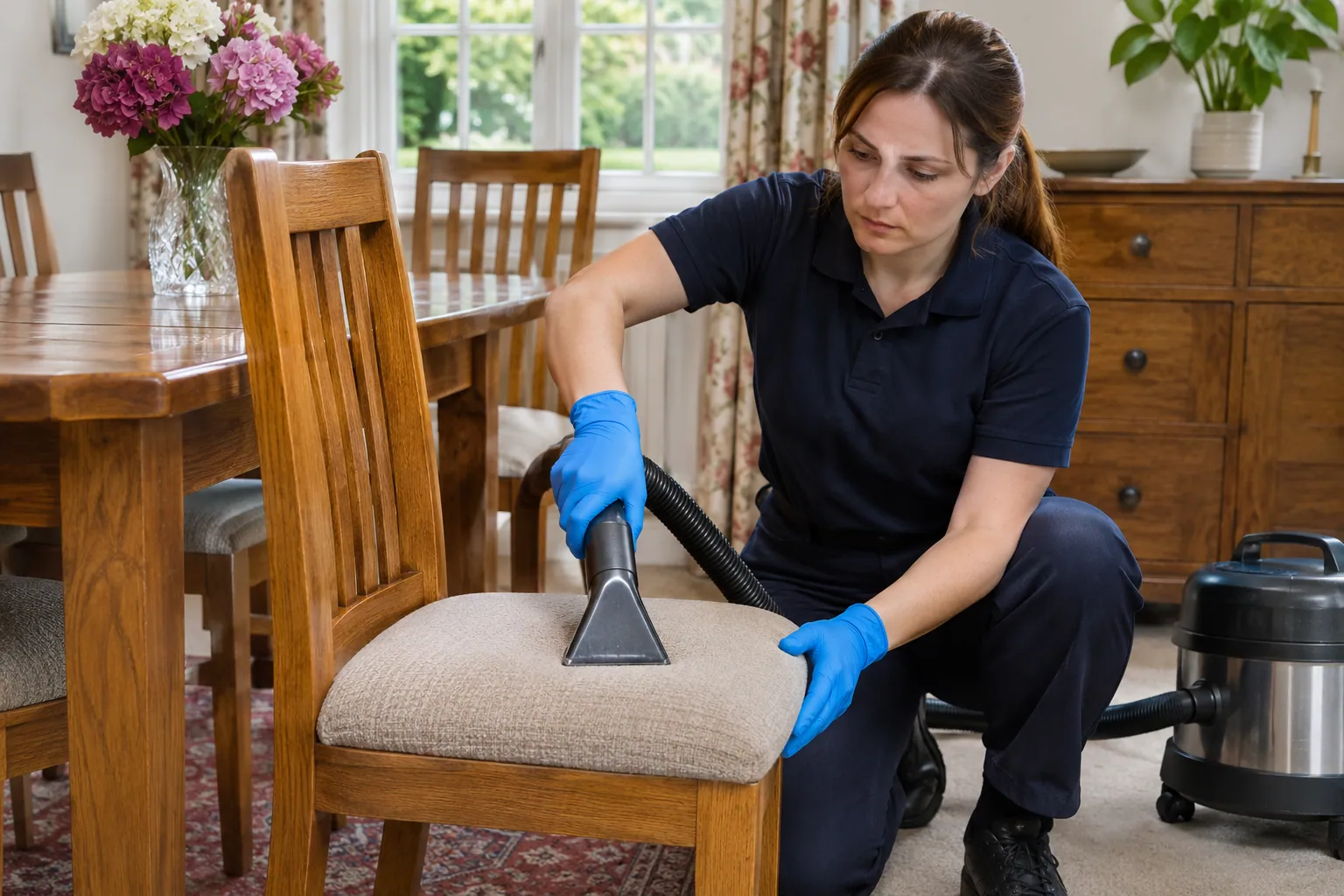
Our upholstery service covers the pieces that do not always fit a simple sofa-cleaning booking. A dining chair has a compact seat, exposed edges and a frame close to the fabric. An armchair may have padded arms, a deep back and loose cushions. A footstool receives a different pattern of use again. We ask you to identify the items so the quote reflects the furniture rather than a vague room description.
You can request treatment for a coordinated set or a selection of unrelated pieces. We distinguish a fabric seat pad from a fully upholstered chair and ask whether backs are upholstered on both sides. On benches, we need to know the length and whether cushions lift away. Photographs can help explain unusual shapes or fixed seating. Tell us about matching pieces even if only one needs cleaning, as differences in wear may remain visible afterwards.
Describe the furniture for an accurate enquiry
| Furniture | Useful detail | Surfaces to identify |
|---|---|---|
| Dining chairs | Number and whether seats are removable | Seat pads, upholstered backs and sides |
| Armchairs | Style, fabric and loose cushions | Arms, seat, back and accessible edges |
| Footstools and stools | Size and frame construction | Top, sides and fabric trim |
| Benches | Length and whether fixed in position | Seat, back and accessible cushion faces |
Targeting marks on arms, seats and frequently handled edges
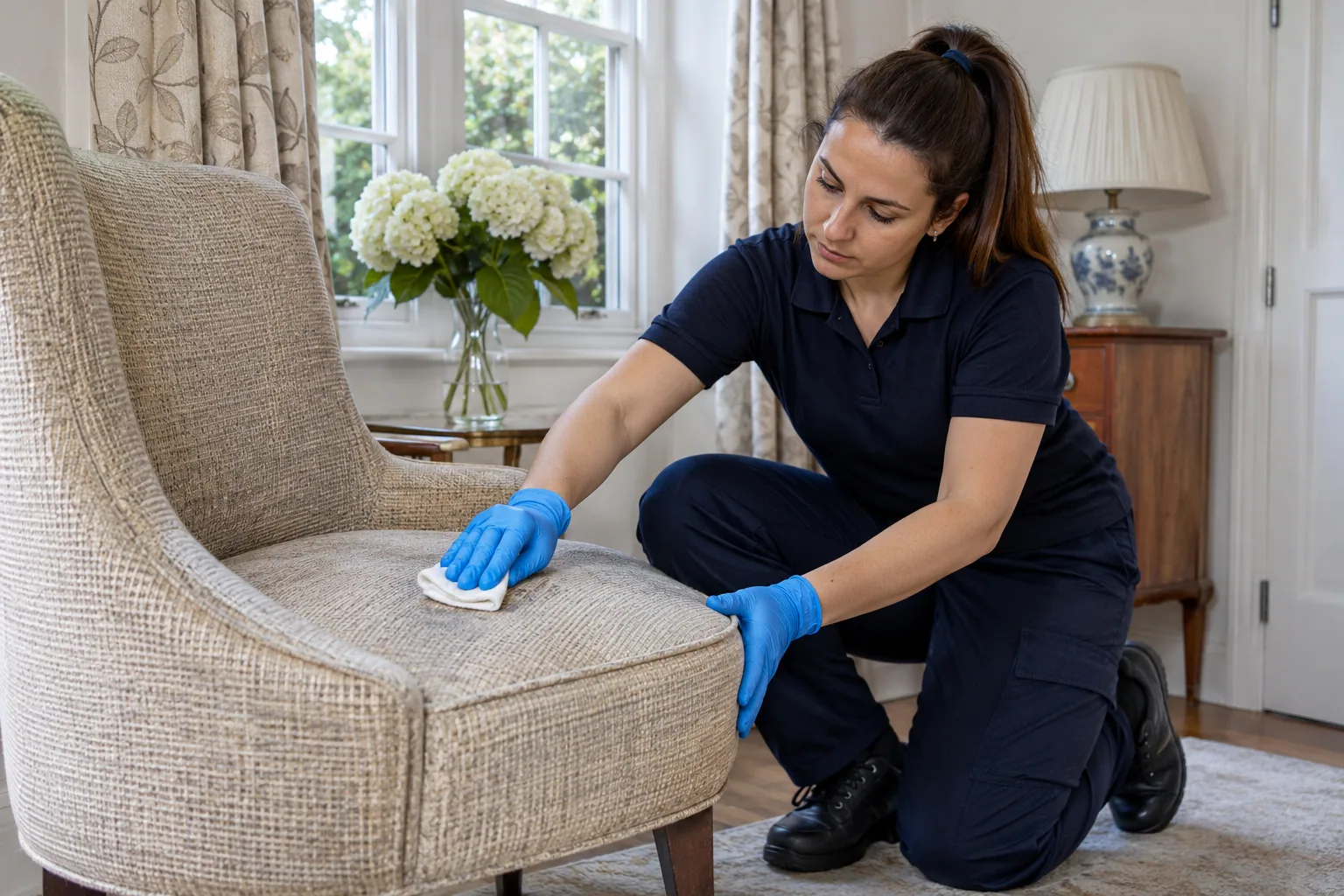
We ask where marks came from and what has already been applied. Dining seats may have food or drink spills, while chair arms can collect residue from repeated handling. A stool near an entrance can carry transferred dirt that differs from a spill on an occasional chair. This history helps us decide how to approach an individual mark before the wider clean. Please identify older marks even when they have faded into the pattern.
We give suitable stains targeted attention as part of the agreed treatment. We cannot promise complete removal because some marks involve permanent dye change, abrasion or other damage. Areas polished by use may continue to catch the light differently from less-used fabric. Cleaning can address removable soil without restoring missing pile or undoing a snag. We discuss visible differences with you, and we do not describe every uneven patch as dirt merely because it appears on a seat.
The fabric and the furniture beneath it both matter
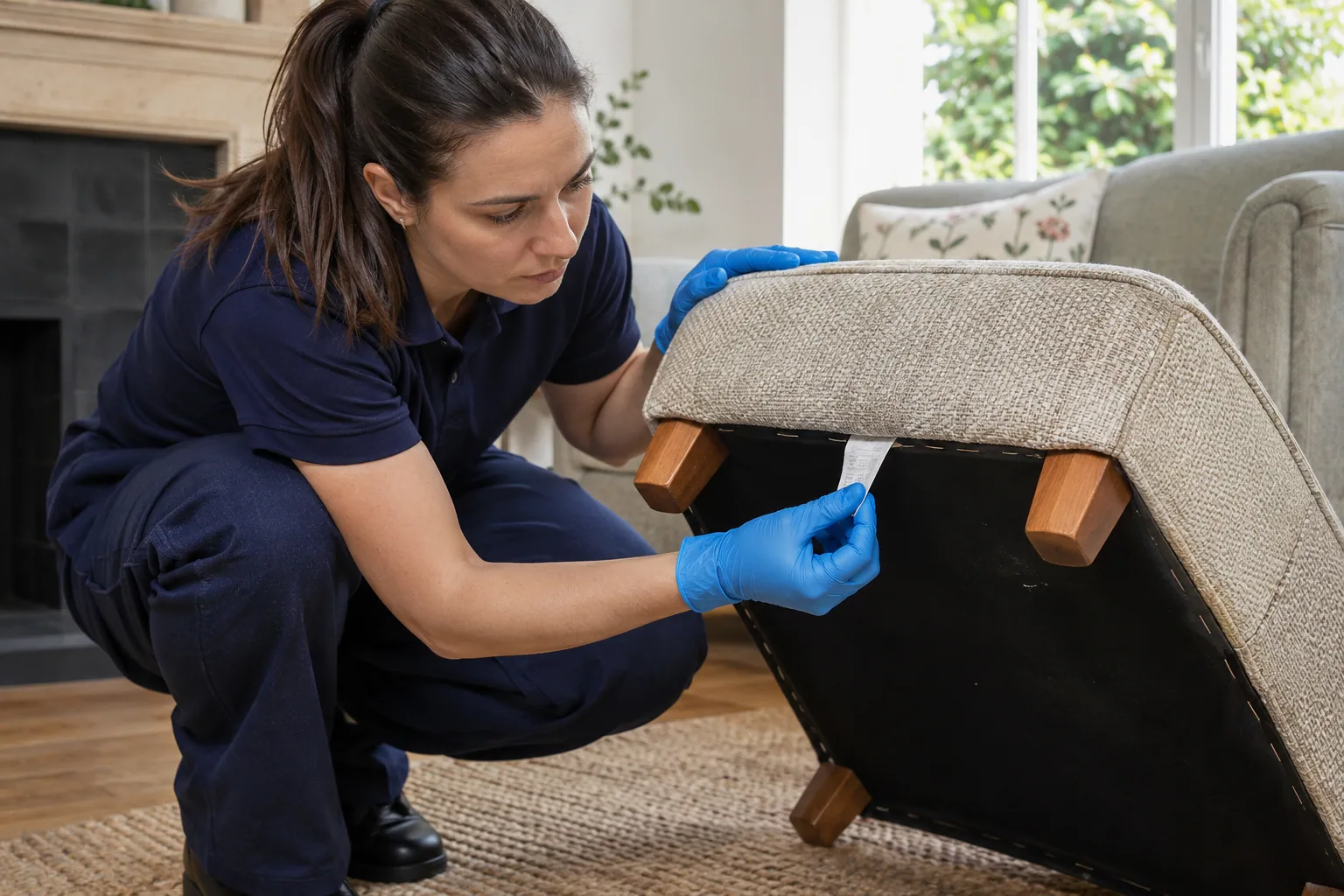
We look at the surface textile, available care information and the existing condition before selecting treatment. Upholstery can include natural fibres, synthetic fabrics or blends, with different backings and trims. Decorative piping, buttons and contrasting panels may need separate consideration. A familiar-looking weave does not establish how it should be cleaned. If you have manufacturer instructions or know about previous treatment, share that information with our team.
Our cleaning approaches include wet cleaning with extraction and suitable dry cleaning. We choose between them according to the assessed item. The padding and construction matter alongside the face fabric, particularly where moisture could be retained or a piece cannot be turned easily. We explain the proposed approach and any apparent limitations. Cleaning is separate from repairing loose upholstery, restoring a broken frame or replacing a damaged seat pad; point out these issues before work begins.
How We Carry Out Your Upholstery Cleaning
List and assess each piece
We confirm the booked furniture, inspect its textile and construction, and look at marks or damage you have identified. Different fabrics within one set are considered separately before we settle on an appropriate treatment.
Prepare the accessible upholstery
We remove loose surface dirt with suitable vacuuming and check access to seams, seat edges and loose cushions. The arrangement follows the agreed furniture handling rather than assuming that every frame can be dismantled or moved.
Treat marks and clean the fabric
We give suitable marks individual attention and carry out the chosen wet or dry clean. The treatment follows the material and condition of the item, including any limitations discussed during the initial assessment.
Review the furniture and next use
We review the result and explain drying or other relevant aftercare. You can ask about an area of wear, a remaining mark or when the treated seating can return to ordinary use.
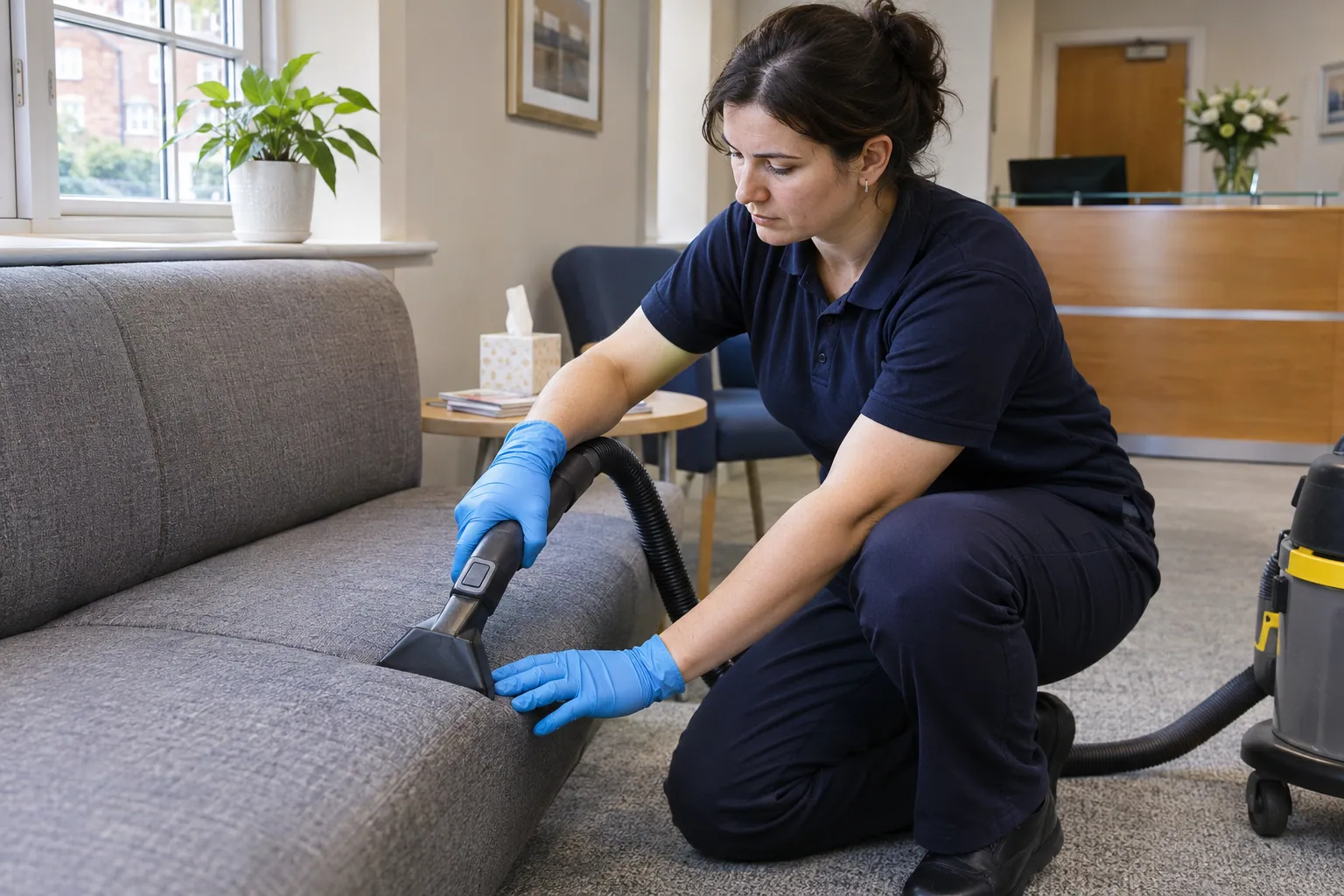
Dining sets, benches and commercial seating need useful item counts
For dining furniture, tell us how many seats require cleaning and whether the fabric extends up the back or around the sides. A set of six chairs may contain different levels of soiling; identify heavily used seats and any fabric protector or household cleaner previously applied. We also ask about the surrounding table, floor and space available to work. It is helpful to know whether the chairs can be brought into one accessible area.
In a business property, we discuss the seating layout and how the appointment will affect normal use. Fixed benches need a clear description because they cannot be treated like movable chairs. Let us know about visitor routes, opening arrangements and any requirement to release pieces in a particular order. We can discuss the practical sequence before booking, but we do not assume every piece can be returned to use immediately after treatment. Furniture should be available for the work agreed.
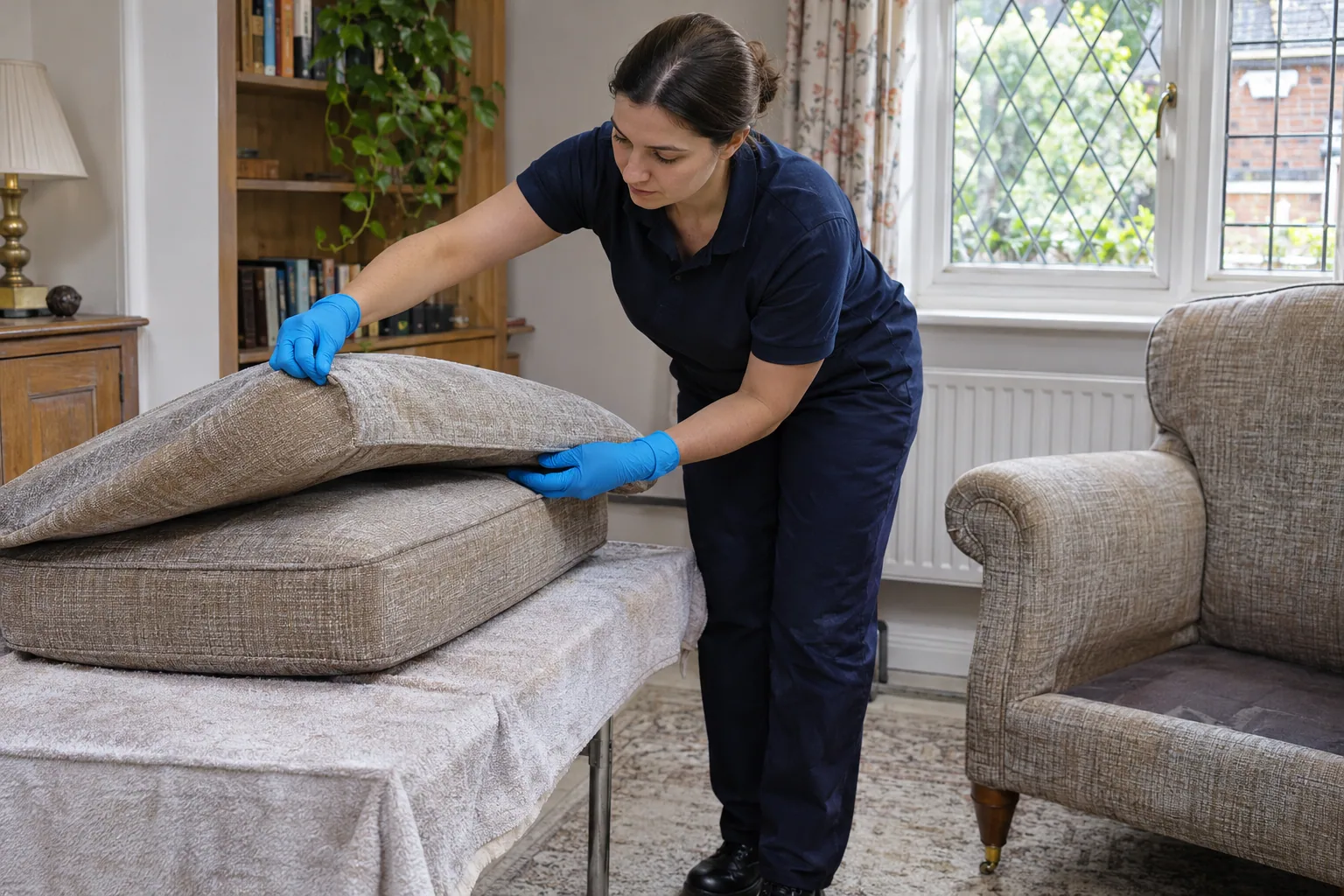
What influences the treatment?
| Feature | What we examine | Why it matters |
|---|---|---|
| Fabric | Care information and surface condition | Helps select wet or dry cleaning |
| Construction | Padding, seams and contrasting trim | Different parts can respond differently |
| Marks | Cause and earlier cleaning attempts | Guides suitable targeted attention |
| Wear | Pile change, abrasion or colour loss | Some visible differences may remain |
Planning furniture use around the visit
| Situation | Tell us before booking | What we discuss |
|---|---|---|
| Family dining room | When the chairs are next needed | Treatment and relevant drying advice |
| Reception seating | Visitor access and opening arrangements | A workable order for the agreed pieces |
| Mixed materials | Which pieces are fabric or leather | Separate assessment and treatment |
| Limited room access | Stairs, parking and heavy furniture | The reachable upholstery and equipment route |
A clear finish, aftercare and a quote for the pieces you choose
We review the treated furniture and explain the relevant aftercare. Where a wet method has been used, the item needs time to dry before normal use. Fabric, padding and room conditions affect that period, so we discuss your requirements rather than giving one exact promise. Tell us before booking if a dining set is needed for a gathering or business seating must be available at a fixed time.
The quote should identify the number and type of pieces, the accessible surfaces and any specific attention discussed. A chair booking does not automatically include a sofa, leather furniture or curtains elsewhere in the room. If you want several fabric services, mention them together so we can plan the order and assess each item properly. We welcome questions about the proposed treatment before you accept the appointment. Contact our team afterwards if you need clarification about a remaining mark or care advice.
Preparing individual pieces and protecting the route through the room
Remove personal belongings, throws and loose decorative items from the furniture before our visit. Tell us if cushion covers have been washed separately or if the upholstery was recently treated. We confirm how loose cushions will be handled and which faces are included. Do not remove fitted fabric or dismantle furniture for us unless we have specifically agreed that arrangement. We need the actual furniture available for assessment, including any care label that remains attached.
Our equipment needs a practical route from the entrance to the working area. In London flats, details about lifts, stairs, parking and door access help us plan. We agree any movement of chairs or stools and do not assume that heavy benches, antique frames or fragile pieces can be moved. Let us know if the furniture sits on a sensitive floor. Nearby possessions should be cleared so that hoses, tools and our cleaners can reach the booked surfaces without unnecessary obstruction.
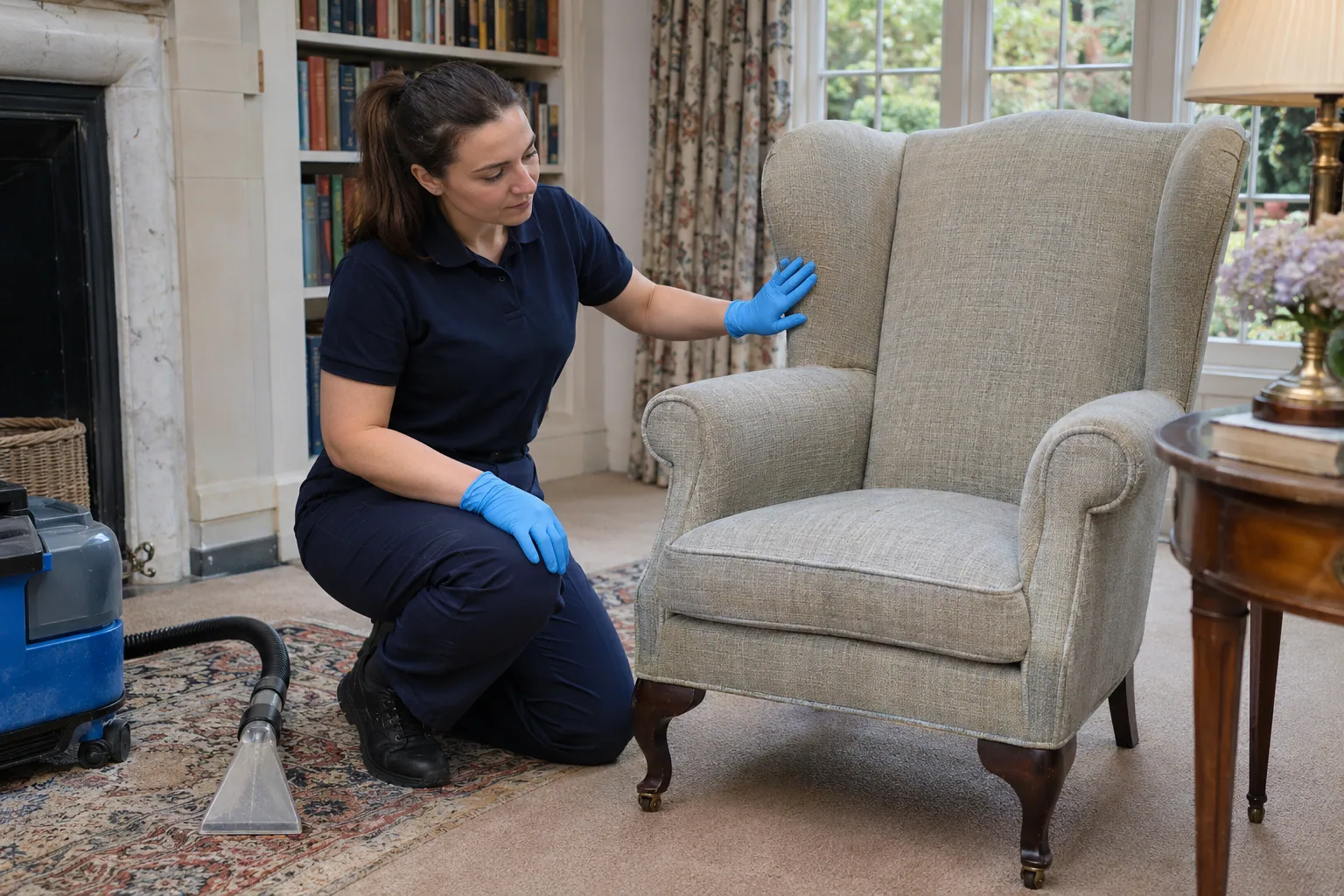
YOUR QUESTIONS
Upholstery Cleaning Questions
Do you clean upholstered dining chair backs as well as seats?
We can discuss both, but describe the chair fully when requesting the quote. Some dining chairs have only a fabric seat pad; others are upholstered across the back and sides too. We confirm the surfaces included for your particular set before booking.
Can a footstool be cleaned with an armchair?
Yes, you can request both in one enquiry. Tell us whether they have matching fabric, contrasting trim or different care labels. We assess each item because a matching appearance does not always mean identical construction or condition.
Will you remove chair covers for washing?
Do not assume cover removal or laundry is included. Our team needs to assess the furniture and its care information before agreeing the treatment. Mention removable covers when enquiring and tell us if you have already washed them separately.
What happens with buttoned or deeply stitched upholstery?
Point out buttons, deep seams and decorative trim before the visit. We consider these features when examining the piece and deciding how the accessible fabric can be treated. Cleaning does not include replacing buttons or repairing loose stitching.
Can you treat chairs in a furnished business waiting room?
We discuss the number of chairs, access and when they can be taken out of use. Clear belongings from the booked seating and explain visitor routes. Treatment and any drying requirements must fit the arrangement agreed before the appointment.
Is leather furniture covered by the same treatment?
Leather needs its own assessment and suitable leather care products. Mention it separately when requesting mixed furniture cleaning. Our leather sofa service explains that work in more detail; we do not apply an ordinary fabric extraction method simply because the item is upholstered.
THOMSONS CLEANING / LONDON & M25
Tell us which upholstered pieces need attention
Call 020 3746 0000 or send an enquiry listing the chairs, stools, benches or armchairs you want cleaned. Add your London postcode, fabric information, photographs of unusual pieces and details of visible marks. Explain access and when the furniture is next needed. We will discuss an appropriate treatment and quote for the identified pieces before confirming your appointment.